Talent, Rigorous Conditioning, Experience, and Substantial Financial Backing
Becoming a professional race car driver requires a rare combination of exceptional talent, rigorous physical and mental conditioning, extensive experience, and substantial financial backing.
For most drivers, the path begins in childhood with karting and progresses through a series of increasingly competitive and expensive junior racing leagues.
Skills and Abilities
- Elite driving technique: This includes mastering techniques like braking and acceleration for maximum efficiency, managing tire wear, and navigating complex race scenarios at extremely high speeds with precision.
- Fast reflexes and coordination: Professional drivers need quick reflexes and superior hand-eye coordination to make split-second decisions and adjustments at speeds exceeding 200 mph.
- Mechanical knowledge: An intimate understanding of the racecar’s mechanics is essential for communicating effectively with engineers and the pit crew. Drivers must be able to feel when something is wrong and provide insightful feedback to optimize performance.
- Race strategy and adaptability: Drivers must understand complex race strategies, including pit-stop timing, and adapt their approach to changing track conditions, weather, and competitor actions.
- Teamwork and communication: Racing is a team sport. The driver must collaborate with the entire team—from engineers to the crew chief—to analyze data and improve the vehicle’s performance.
Physical and Mental Fortitude
- Peak physical fitness: Drivers endure immense physical strain from high G-forces and cockpit temperatures. They must maintain elite cardiovascular endurance and strength, especially in their core and neck, to remain focused during long races.
- Mental toughness and resilience: Intense pressure from sponsors, the team, and fans requires extreme mental discipline. Drivers must stay composed under pressure and maintain focus for hours while processing vast amounts of information.
- Confidence and emotional control: The best drivers radiate confidence and learn to compartmentalize emotions, such as anger or anxiety, that could lead to costly mistakes on the track. Drivers often use visualization and other mental techniques.
- A growth mindset: Racing is a career-long process of learning and improvement. The required skills aren’t innate, and a professional driver must stay dedicated to continually evolving their craft.
Path and Funding
- Early start in karting: The journey typically begins with karting at a very young age.
- Climbing the racing ladder: From karting, drivers progress through junior series such as Formula 4, Formula 3, and Formula 2, proving their talent against fierce competition.
- Racing schools and licensing: Formal training at racing schools provides hands-on instruction and is often required to obtain the competition license needed to enter sanctioned events.
- Securing sponsorships: Motorsport is prohibitively expensive. Talented drivers often require significant financial backing from family, investors, donors, and corporate sponsors. Even at high levels, a single season can cost millions of dollars. Drivers must actively market themselves and build a personal brand to attract and retain sponsors.
Personal Character
- Persistence and dedication: Motorsport is highly competitive. It requires an unwavering commitment to training, travel, and continuous self-improvement to overcome inevitable setbacks and reach the top.
- Brand representation: As the public face of their team and sponsors, professional drivers must be charismatic and well-spoken in media interviews and public appearances.
Key Factors for Success
- Talent and consistency: Consistent top-level performance is required at every stage. Race teams and driver academies constantly scout for the most promising drivers who show raw speed, technical aptitude, and the ability to win championships.
- Financial backing: The path to success is costly, potentially costing millions of dollars over a driver’s career. Drivers rely on family funding, sponsorships, or entry into a manufacturer-backed junior academy to progress.
We Exist For Their Success
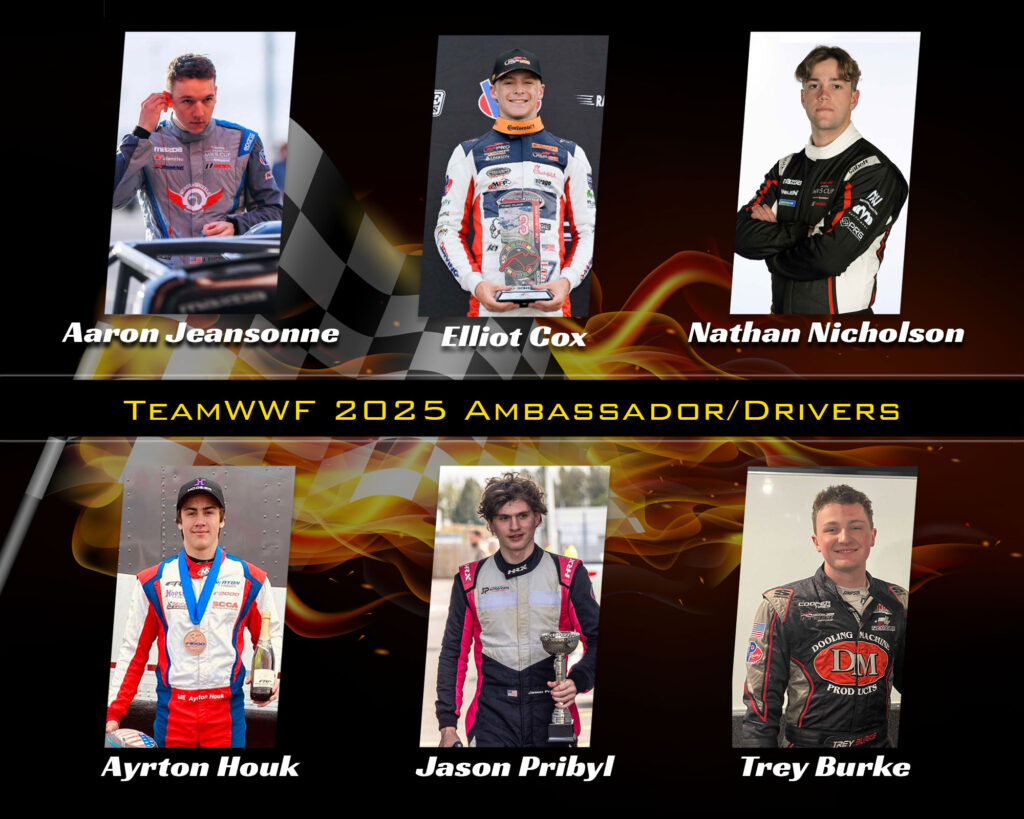
The Wings & Wheels Foundation helps promising young drivers advance to the next level of achievement in their careers.
In addition to being highly competitive, automobile racing is also extremely expensive. TeamWWF strives to identify young, talented drivers and help place them in a supportive environment led by professionals who have achieved a high level of success in the motor racing industry.
What We Do
While helping refine first-class on-track skills, TeamWWF also helps its drivers develop the business and social skills needed to secure and maintain valuable associations, partnerships, and sponsorships that make motorsports possible.
Selected by a panel of highly acclaimed drivers and industry professionals, TeamWWF recipients come from applicants of diverse backgrounds who demonstrate a high level of sportsmanship, a positive mental attitude, and a competitive personality, in addition to their on-track skills.
Bridging the Gap Between Talent and Cost
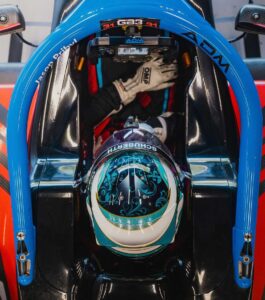
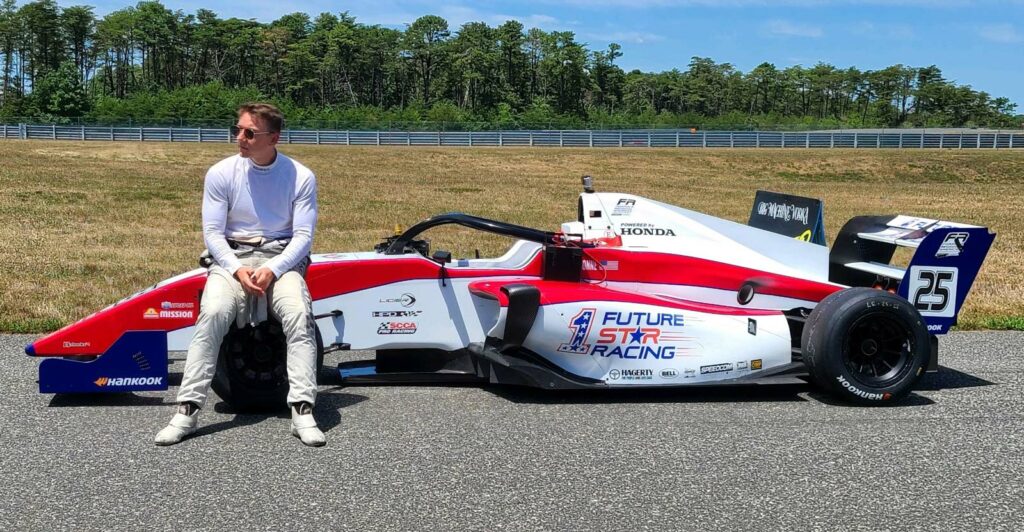
Featured photo TeamWWF Ambassador/Driver Aaron Jeansonne